![[interface] image of user interface design process (for a legal tech)](https://cdn.prod.website-files.com/6942d238f7e10db0418a803a/69499c815fce3b440fa9aba7_IMG_0087.png)
Most coaching platforms optimize for scale.They make it easy to assign programs, automate check-ins, and manage large client rosters.
That works well for influencers and group coaching models.
Roses & Lumber was built differently.We believe real coaching happens inside the details — at the set level. In the missed rep.
In the RPE that felt harder than expected. In the load that moved slower than last week.
That’s where progress is shaped.
![[interface] screenshot of an ai-driven healthcare application](https://cdn.prod.website-files.com/6942d238f7e10db0418a803a/6947008cb3aaa974696c6707_IMG_0080.png)
Roses & Lumber is designed for coaches who:
If you’re selling templates to hundreds of users, this probably isn’t the right platform.
If you review every set, it might be.
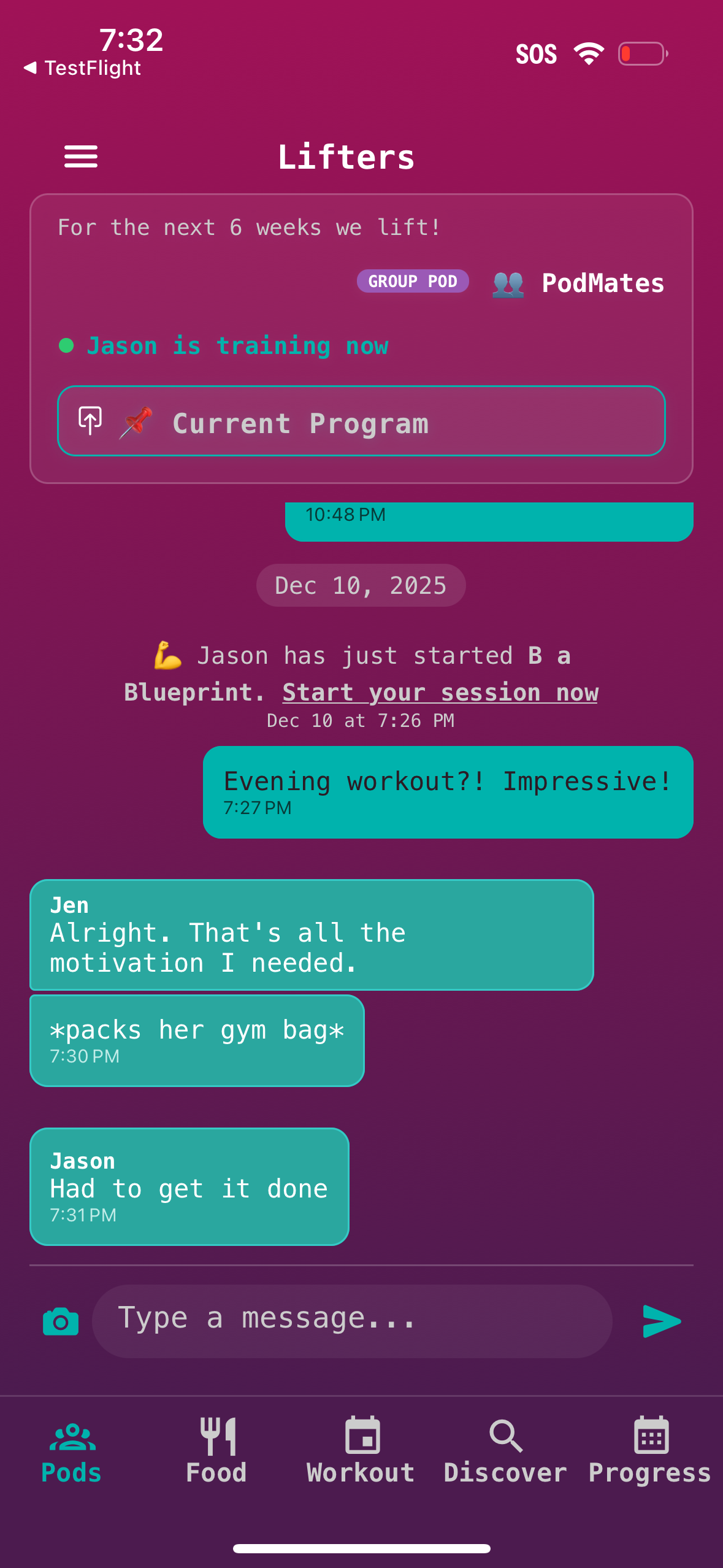
We don’t believe coaching should feel like customer support.
Instead of optimizing for mass messaging and automated funnels, we focus on:
When a client logs a session, you don’t just see “completed.”
You see what actually happened.
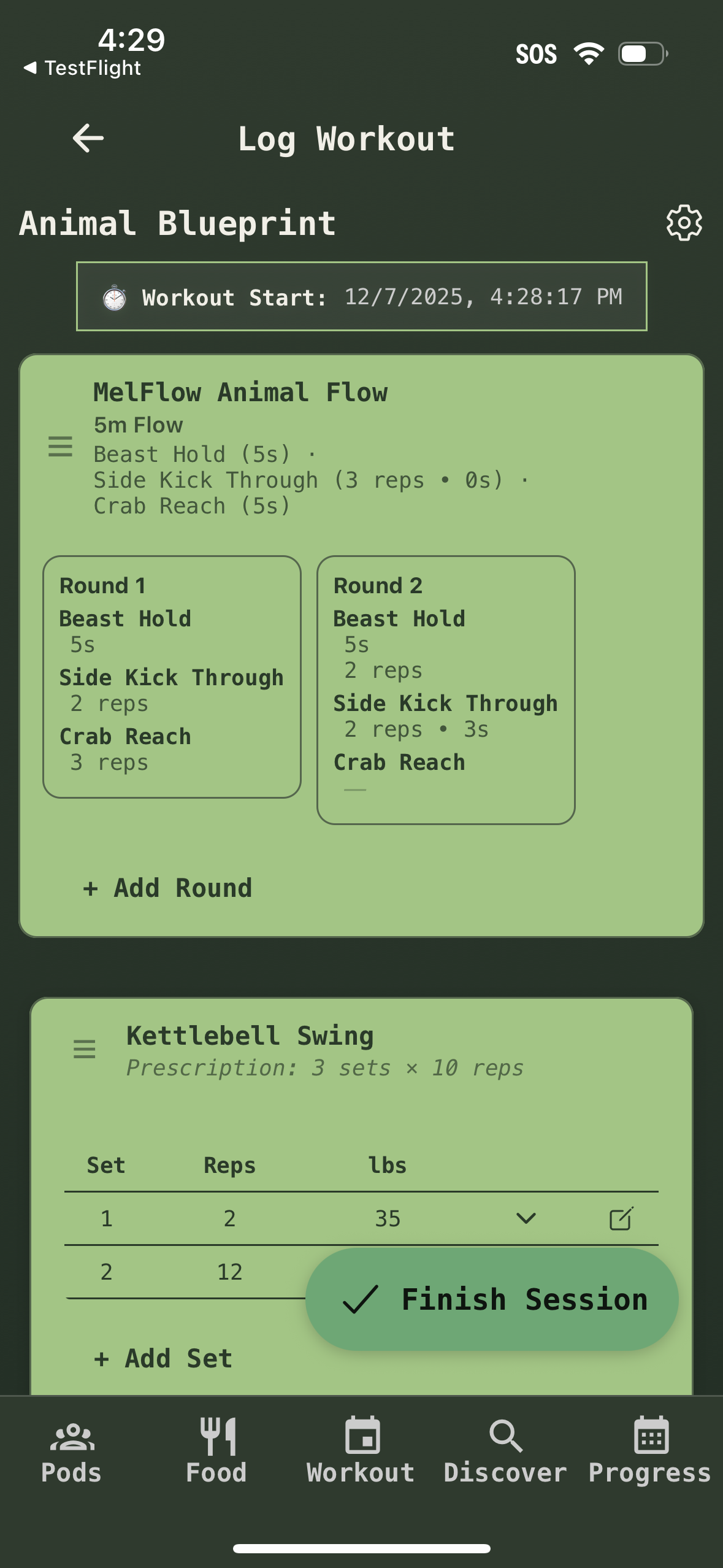
Coaching feedback shouldn’t be disconnected from training data.
That’s why communication in Roses & Lumber is tied directly to workouts and sets.
Coaches can comment on specific performance entries, respond to notes, and deep link directly into unread messages.
The conversation lives where the training lives.
Not in scattered DMs.
Not in spreadsheets.
Not in separate apps.

Coaches need clean oversight across their roster.
Clients need to feel seen.
Roses & Lumber brings training logs, nutrition data, messaging, and performance tracking into one structured system — so adjustments are informed and feedback is precise.
The goal isn’t complexity.
It’s clarity.
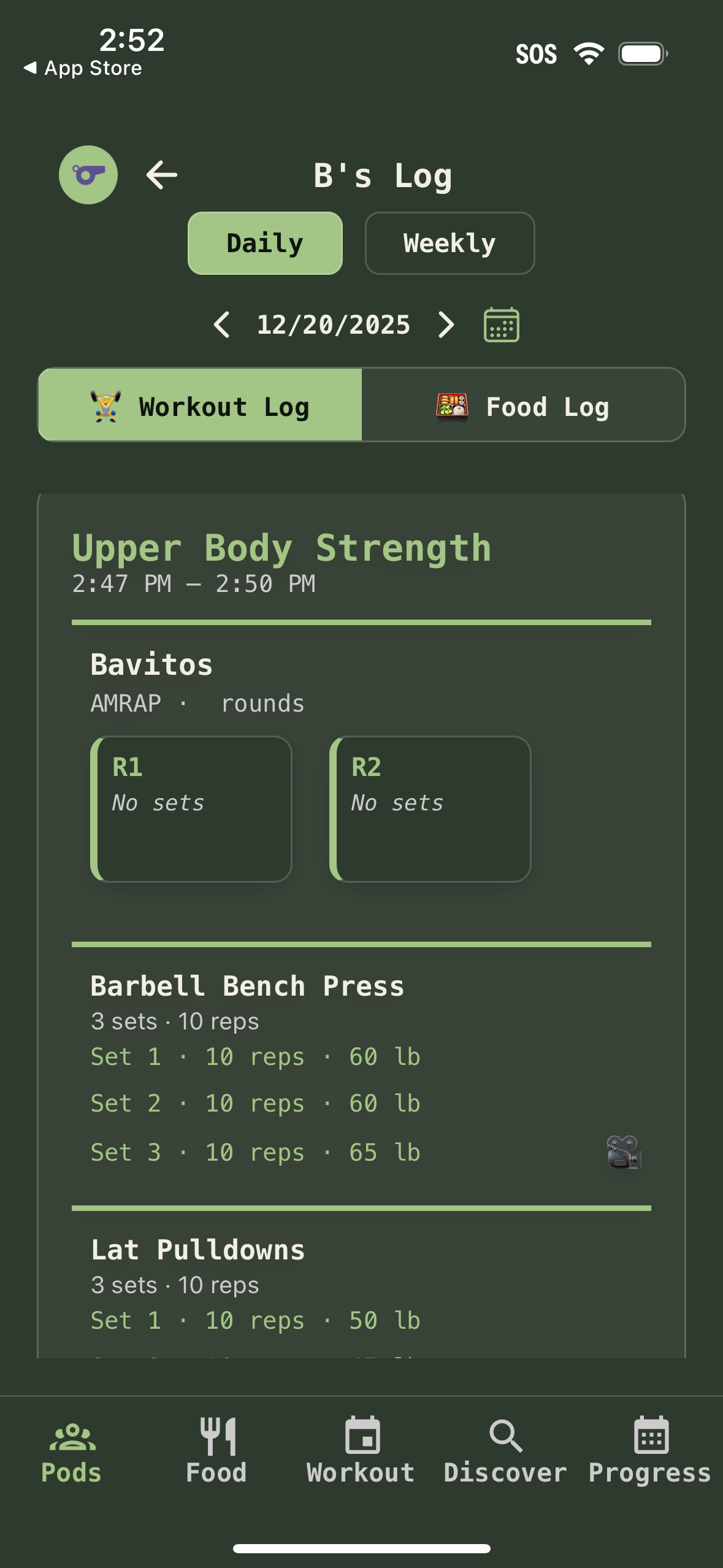
Today, Roses & Lumber gives coaches full visibility and control.
In the future, it will go further — surfacing trends, highlighting performance shifts, and helping coaches identify where adjustments are needed before problems compound.
But the foundation remains the same:
Coaching first.
Precision always.
Scale second.